
​Waymo built a virtual driver to study how humans react to surprises on the road 

​Waymo built a virtual driver to study how humans react to surprises on the road 

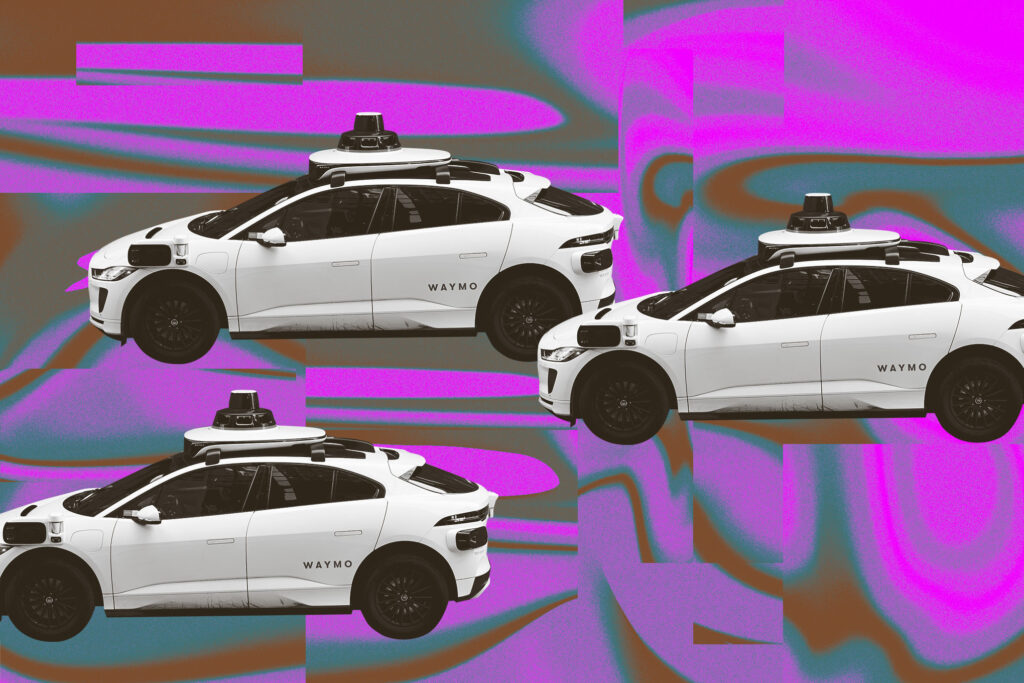
Waymo taxis on a bright pink and green background.

Waymo has a lot of experience building virtual systems to help its autonomous vehicles better understand the real world. It built realistic 3D worlds to better anticipate natural disasters and unpredictable edge cases. It created a virtual representation of a hyperattentive driver to test against its own autonomous vehicles in a series of simulated scenarios to see which is better at crash avoidance.

Now, in a new research paper published today in Nature Communications, Waymo describes a new computer-based cognitive model that explains how human drivers make split-second decisions to avoid crashes. The company thinks the new model will serv …

Read the full story at The Verge.

 

Leave a Reply

Your email address will not be published. Required fields are marked *

You might also like...

​AT&T is launching $3 ‘unlimited’ day passes for iPads 

​AT&T is launching $3 ‘unlimited’ day passes for iPads 

​ AT&T’s new day passes let you get your iPad online for 24 hours at…

​Google’s Nest Cam with Floodlight is selling at its lowest price yet 

​Google’s Nest Cam with Floodlight is selling at its lowest…

​ The Google Nest Cam with Floodlight is marked down to $179.99 ($100 off) at…

​I’m relieved Siri AI isn’t trying to be a health coach 

​I’m relieved Siri AI isn’t trying to be a health…

​ This is Optimizer, a weekly newsletter sent from Verge senior reviewer Victoria Song that…